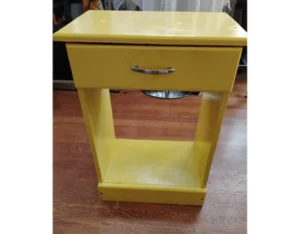
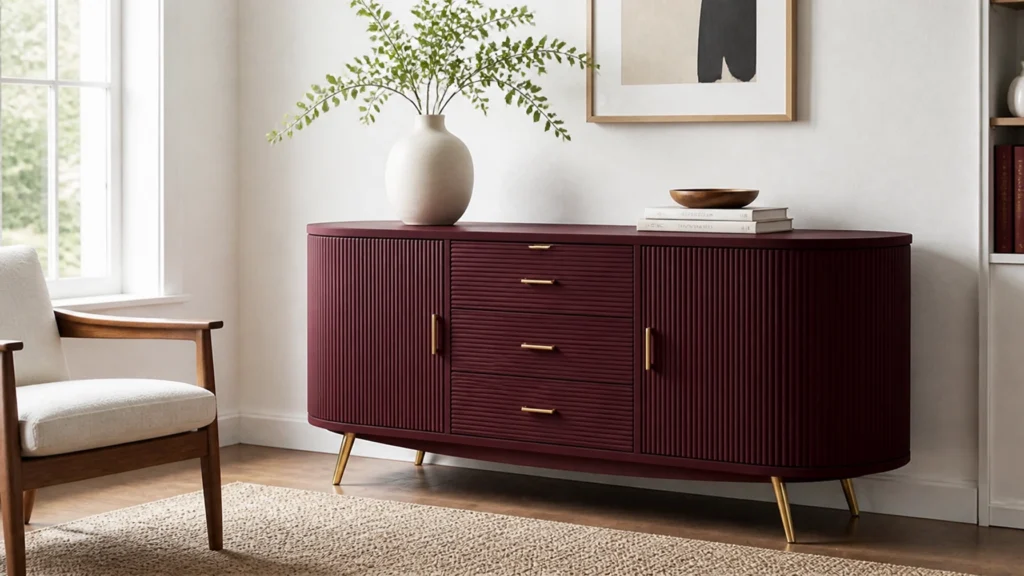
You’ve finished your first project. The paint is smooth, the hardware is gleaming, and you’re ready to turn that hard work into cold, hard cash. But now comes the big question every beginner faces: Where do I actually sell this thing?
Choosing the right platform for your furniture flipping side hustle is just as important as choosing the right paint color. Pick the wrong one, and your masterpiece might sit in your garage for months. Pick the right one, and you’ll be hunting for your next project before the week is over.
In the world of selling furniture online, two giants stand tall: Etsy and eBay. Both have massive audiences, but they speak to very different buyers. Let’s break down the "vibe check," the fees, and the logistics so you can decide which one is your perfect match.
The Vibe Check: Who Is Buying?
Before you list, you need to know who is looking. The audience on Etsy is fundamentally different from the one on eBay.
Etsy: The Boutique Experience
Etsy is the go-to destination for shoppers looking for something one-of-a-kind. People go there specifically for handmade, vintage, and artisanal goods. If your flip is a hand-painted boho dresser or a mid-century modern chair with custom velvet upholstery, Etsy is your stage.
- Target Buyer: Design-conscious, appreciative of "the story," and often willing to pay a premium for uniqueness.
- Your Brand: Etsy allows you to build a cohesive "shop" brand. It feels like a high-end boutique.
eBay: The Global Marketplace
eBay is a powerhouse for volume and deals. While it certainly hosts high-end items, the culture is rooted in finding a great price. Buyers often search for specific brands or types of furniture rather than a "vibe."
- Target Buyer: Bargain hunters, collectors, and people looking for a specific utility or local deal.
- Your Brand: It’s more functional. You are a seller in a massive digital warehouse, which is great for moving items quickly.
The Fee Factor: What’s the Catch?
Let’s talk numbers. When selling furniture online, your margins are everything. Both platforms take a cut, but the way they calculate it differs.
- Etsy Fees: Generally, Etsy feels a bit more "beginner-friendly." You pay a flat $0.20 listing fee (good for 4 months) and then a 6.5% transaction fee when it sells. All-in, including payment processing, you’re usually looking at about 9% to 10% of your total sale price going to fees.
- eBay Fees: eBay offers more free listings per month (up to 250!), but their "final value fee" is higher. For furniture, you’re typically looking at around 13% to 14% of the total sale.
Pro Tip: Always remember that both platforms charge their percentage on the shipping price too. If you’re shipping a heavy dresser for $200, the platform is taking a cut of that $200. This is why many flippers prefer Etsy vs eBay for furniture that requires expensive national shipping.

Shipping & Local Pickup: The Logistics Puzzle
Furniture is heavy. Furniture is bulky. Shipping can be the ultimate "vibe killer" if you aren't prepared.
The Shipping Challenge
If you plan to ship your pieces across the country, Etsy makes it fairly easy to set up "Shipping Profiles." You can calculate costs based on weight and dimensions. However, for huge items like armoires, national shipping can often cost more than the piece itself.
The Local Pickup Advantage
This is where eBay often wins for beginners. eBay has a long-standing culture of "Local Pickup Only." It’s incredibly common for buyers to drive to a seller’s home or a neutral location to pick up their furniture.
- Choose eBay if you want to avoid the headache of crates and freight and just want someone to show up with a truck.
- Choose Etsy if you are focusing on smaller items (side tables, stools, decor) that can easily fit in a standard UPS or FedEx box.
The Secret Ingredient: Photography & Descriptions
No matter which platform you choose, your flip won't sell if the photos look like they were taken in a dark basement. Since you are selling furniture online, the buyer can't touch the wood or feel the finish. Your photos have to do that work for them.
- Staging is King: Don't just take a photo of a dresser against a messy garage wall. Put a lamp on it. Add a plant. Show them how it will look in their home.
- Natural Light: Take your photos during the day near a window. Avoid the yellow glow of overhead garage lights.
- Honest Descriptions: If there’s a small ding you couldn't fix, mention it. Transparency builds trust, and trust leads to five-star reviews.

Recommendation: Match the Platform to the Piece
Still not sure? Here is my "real-world" rule of thumb for your furniture flipping side hustle:
- Is it a high-end, artistic, or unique piece? Go with Etsy. The audience will appreciate your craft more, and the lower fees will help you keep more of that premium price.
- Is it a "bread and butter" flip? (Think: a standard chest of drawers or a dining set you just want to move quickly). Go with eBay. The local pickup option is a lifesaver for heavy items.
- Are you just starting out? Try both! List a few smaller items on Etsy to get a feel for the branding, and put your larger pieces on eBay or even Facebook Marketplace for local sales.
Stop Guessing and Start Flipping
Starting a furniture flipping side hustle shouldn't feel like a gamble. You need a system that works. If you're tired of "trying things out" and want a clear path to profit, my Beginner Furniture Flip System is designed to take you from "garage find" to "sold" without the stress.
Whether you choose Etsy’s boutique vibe or eBay’s marketplace muscle, the most important thing is to start. Put your work out there, learn from every sale, and keep refining your craft.

Ready to see more project ideas? Check out our Before and After Gallery for some serious inspiration, or learn more about our custom refinishing services if you have a piece that needs a professional touch.
Happy flipping!