Standing in the paint aisle (or scrolling online) when you’re preparing for your first furniture flip can feel completely overwhelming.
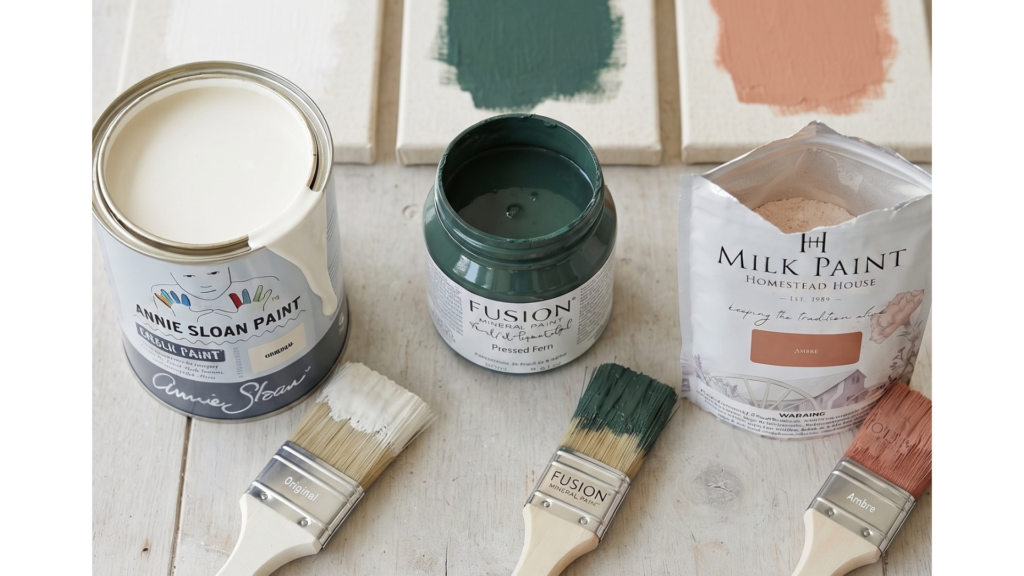
Latex? Chalk paint? All-in-one mineral paint? Milk paint?
With so many brands, finishes, and price points, it’s easy to make a costly mistake, pick the wrong product, and end up with sticky, peeling paint on your weekend project.
The good news? You don’t need a degree in woodworking to get a smooth, durable, professional finish. You just need to know which paint matches your project, your budget, and your skill level.
In this guide, we’re breaking down the top 3 furniture paints for beginners, comparing their pros and cons, and helping you pick the right one for your next flip.
Why You Should Never Use Regular Wall Paint on Furniture
Before diving into furniture-specific paints, let’s clear up one common beginner mistake: using leftover wall paint (latex).
- Wall paint is formulated for vertical, untouched surfaces. It remains flexible and soft.
- Furniture paint is engineered to cure into a hard, durable shell that withstands daily handling, mugs, spills, and cleaning.
Using wall paint on dressers or tabletops often results in a surface that stays tacky for weeks and chips at the slightest bump. Investing in proper furniture paint is the secret to a long-lasting finish.
1. Chalk Paint: The Beginner’s Best Friend
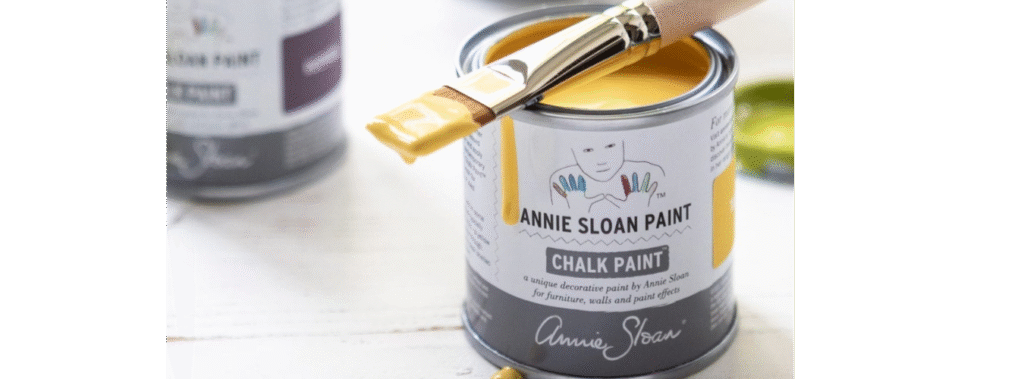
Chalk paint is famous in the upcycling community for one big reason: minimal prep work.
How It Works
Chalk paint creates a velvety, ultra-matte finish. It has exceptional adhesion, meaning it can stick to previously varnished or painted wood with minimal sanding.
Pros:
- Very forgiving: Self-levels well and hides minor wood imperfections.
- Fast drying: Dries in 30–60 minutes, allowing multiple coats in one afternoon.
- Easy distressing: If you love the vintage, farmhouse, or shabby-chic look, chalk paint distresses beautifully with 220-grit sandpaper.
Cons:
- Must be sealed: Chalk paint is porous. You must apply a clear furniture wax or water-based polycrylic topcoat to protect it from moisture and stains.
Best For: Beginner dressers, accent tables, ornate frames, and vintage farmhouse pieces.
2. All-in-One Mineral Paint: The Modern, Durable Choice
If you want a modern, sleek look without having to apply a separate topcoat, all-in-one mineral paint is a game changer.
How It Works
Mineral paints are formulated with built-in topcoats and acrylic resin binders. As the paint cures, it creates an extremely durable, water-resistant finish on its own.
Pros:
- Built-in topcoat: No waxing or extra polycrylic needed for standard decorative pieces.
- Smooth, brush-stroke-free finish: Excellent self-leveling properties.
- Scratch and water resistant: Highly durable once fully cured (usually 21–30 days).
Cons:
- Requires thorough cleaning: Needs proper degreasing and a light scuff sand before application.
- Slightly higher price point: Quality mineral paints can cost more upfront, though you save money by skipping topcoats.
Best For: Modern dressers, kitchen tables, desks, and high-traffic furniture.
3. Milk Paint: The Authentic Farmhouse & Chippy Look
Milk paint is an ancient, natural paint made from milk protein (casein), lime, and natural pigments, usually sold in powder form.
How It Works
You mix the powder with warm water before painting. When applied over raw wood, it penetrates deep into the grain like a rich stain. When applied over previously finished wood, it naturally resists in random spots, creating an authentic “chippy” antique look.
Pros:
- 100% natural and non-toxic: Zero VOCs and virtually odorless.
- Authentic chippy character: Perfect for primitive, rustic, or heirloom pieces.
- Never chips on raw wood: Bonds permanently into wood fibers.
Cons:
- Unpredictable chipping: Hard to control where paint will peel unless you add a bonding agent.
- Must be sealed: Requires hemp oil, wax, or poly to protect the finish.
Best For: Rustic signs, farmhouse benches, and raw wood transformations.
Quick Comparison Table
| Paint Type | Prep Level | Topcoat Required? | Finish Style | Difficulty |
| Chalk Paint | Low | Yes (Wax or Poly) | Matte / Farmhouse / Vintage | Very Easy |
| Mineral Paint | Medium | No (Built-in) | Satin / Modern / Smooth | Easy |
| Milk Paint | Low-Medium | Yes (Oil or Wax) | Chippy / Antique / Rustic | Intermediate |
3 Rules for a Flawless Finish Every Time
Regardless of which paint you choose, follow these three rules:
- Clean before you paint: Always scrub away years of furniture oils and dirt with a heavy-duty degreaser (like Dawn dish soap or TSP).
- Scuff sand with 120–150 grit: You don’t need to sand to bare wood—just scuff the surface to create tiny scratches for the paint to grip.
- Apply 2–3 thin coats: Thick coats cause drips and brush marks. Thin coats dry faster, level smoother, and cure harder.
Still Confused About Which Brand to Buy?
Don’t waste money testing expensive paints that don’t work. Grab our Beginner’s Guide to Furniture Paint Brands ($17) for an honest, side-by-side breakdown of the top brands beginners can trust.
Want the complete beginner roadmap? Upgrade to the Complete Beginner Furniture Flip System ($39) to get our Starter Kit, Paint Guide, and Mistake-Proof Blueprint all in one bundle!
👉 Get the Paint Brand Guide ($17) →
👉 Get the Complete 4-Guide Bundle ($39) →
What’s Your Next Project?
Upcycling furniture should be fun, creative, and rewarding—not stressful. Start small with a simple side table or nightstand, pick a forgiving paint like chalk or mineral paint, and enjoy the process of bringing an old piece back to life.