Furniture flipping can bring in extra income. But the sale price is not your profit.
You have to count the piece, supplies, pickup, selling costs, and the hours you put in. These example budgets offer a realistic starting point for furniture flipping beginners. They’re planning estimates, not guaranteed results. Your local market, the piece’s condition, and your buying decisions all affect the outcome.
Start with the number that matters: net profit
Use this simple formula for every flip:
Net cash profit = sale price − purchase price − supplies − transport − selling fees − other project costs
Then track your hours. Net cash profit tells you what’s left after project expenses. Your effective hourly rate shows what that profit works out to for your time.
For a fuller picture, subtract a fair value for your labor, too. That helps you see whether a flip is earning you money, or mostly paying you back for your time. These examples don’t include taxes or regular business overhead, such as storage or insurance.
Three beginner flips, with the costs included
These are sample budgets for local sales with no platform fee. Check the current fees and policies wherever you list. The sale prices are targets, not promises; compare similar sold pieces in your area before you buy.
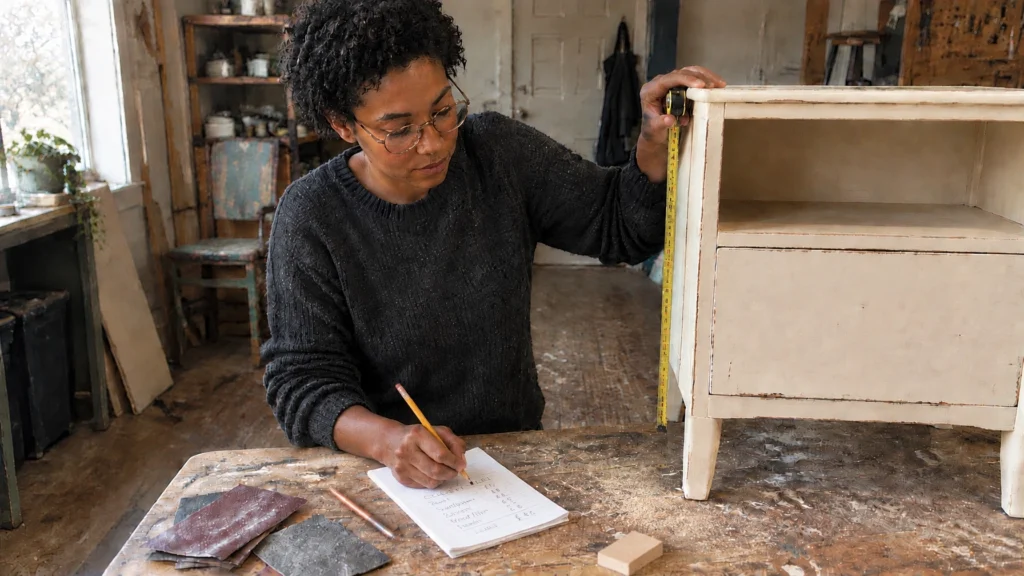
Example 1: A painted nightstand
| Cost or result | Amount |
|---|---|
| Purchase price | $20 |
| Supplies | $24 |
| Transport | $8 |
| Selling fees | $0 |
| Sale price | $125 |
| Net cash profit | $73 |
If the flip takes five hours from sourcing to handoff, that’s $14.60 per hour before taxes and overhead.
Example 2: A refinished dresser
| Cost or result | Amount |
|---|---|
| Purchase price | $45 |
| Supplies and finish | $55 |
| Replacement hardware | $20 |
| Transport | $20 |
| Selling fees | $0 |
| Sale price | $320 |
| Net cash profit | $180 |
At 11 hours of total work, the effective rate is about $16.36 per hour. A larger sale price doesn’t always mean a better rate. Big pieces may take longer to move, repair, photograph, and sell.
Example 3: A small accent table
| Cost or result | Amount |
|---|---|
| Purchase price | $10 |
| Supplies | $12 |
| Transport | $5 |
| Selling fees | $0 |
| Sale price | $65 |
| Net cash profit | $38 |
At three hours total, that’s about $12.67 per hour. A small flip can be a good way to practice, but the modest profit may not justify a long repair.
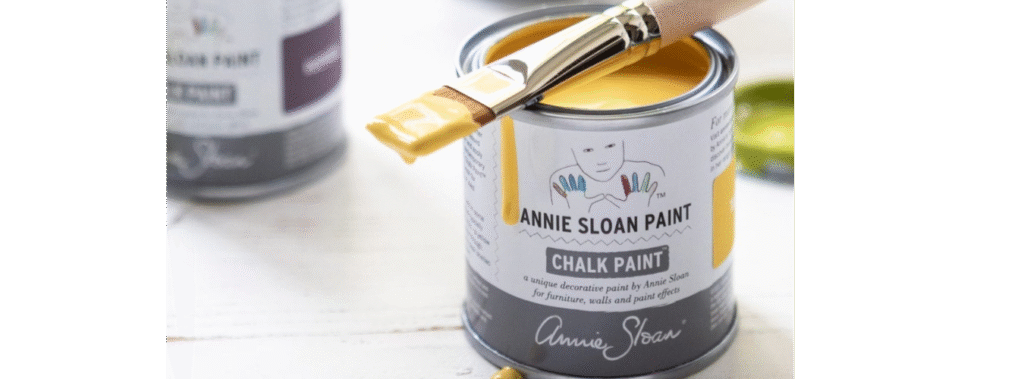
If you paint a piece, use Dixie Belle paint and follow its label directions. Remove knobs before painting so they stay clean and your finish looks neater.
What can a beginner realistically earn each month?
Around a full-time job, one to three finished pieces a month is a sensible starting pace. Sourcing, pickup, repairs, drying time, photos, messages, and buyer handoff all take time. You may also have to wait for a buyer.
If your successful flips average roughly $50–$150 in net cash profit each, one to three sales could bring in around $50–$450 for the month. That’s before taxes, general overhead, and any unsold inventory. Some months may be slower. A piece that hasn’t sold yet has tied-up cash, not realized profit.
Start small. Track your first five to ten projects. Your own numbers will tell you how quickly you work and which pieces are worth repeating.
Track every flip before you set the price
A simple profit tracker can stop small costs from quietly eating your margin.
| Track this | Example |
|---|---|
| Expected sale price | $125 |
| Purchase price | $20 |
| Supplies and repairs | $24 |
| Pickup and delivery costs | $8 |
| Selling fees or discounts | $0 |
| Expected net cash profit | $73 |
| Total hours | 5 |
| Profit per hour | $14.60 |
Record the actual sale price, costs, and hours after each flip. Include fuel, replacement hardware, cleaning products, listing time, buyer messages, and any discount you offer. If you deliver the item, count that time and expense, too.
Find the costs that quietly kill profit
A bargain piece can turn into an expensive project. Watch for:
- Hidden repairs: Wobbly joints, water damage, missing drawers, and deep veneer damage can add hours and materials.
- Extra supply runs: A forgotten primer, brush, or hardware purchase adds cost and time.
- Long-distance pickup: Fuel, rental vehicles, and help lifting a heavy piece can erase your margin.
- Slow sales: A piece that sits for weeks takes up room and ties up money.
- Discounts and delivery: Buyers may negotiate. Decide in advance how low you can go.
- Selling fees: Check the current terms for your platform and payment method before setting a price.
- Your own labor: A flip can show positive cash profit and still pay very little per hour.
Price from what comparable pieces actually sell for locally, not the original retail price or the price you hope to get.
Price and stage it to sell faster
A realistic price makes it easier for the right buyer to say yes. Check local listings for similar size, condition, style, and finish. Build in a little room for negotiation, but know your minimum before the first message arrives.
Good staging helps buyers picture the piece at home. Photograph it in natural light, show the front and sides, and include close-ups of real wear or repairs. Keep styling simple. Write a clear listing with dimensions, condition, pickup details, and any delivery limits.
Strong photos won’t make an overpriced piece sell. Fair pricing and clear information build buyer confidence.
Raise your average profit without taking bigger risks
- Choose simpler projects: Start with solid, sturdy pieces that need cosmetic work, not major repairs.
- Buy below your ceiling: Decide your maximum purchase price after checking local sale comparisons.
- Batch your work: Clean or prep multiple pieces in one session to reduce setup time.
- Keep finishes practical: Use a repeatable process and reliable supplies instead of buying products for every new trend.
- Improve your listings: Clear photos and accurate measurements can reduce back-and-forth with buyers.
- Review the numbers: Repeat the types of flips that give you a better return for your hours.
Hobby flip or real side hustle? Know the difference
A hobby flip can be about learning, creativity, or furnishing your home on a budget. A side hustle needs consistent records and decisions based on the numbers: what you buy, what you spend, what you sell, and how much time it takes.
If you’re selling regularly, check local rules for business licensing, permits, and sales tax. Tax treatment depends on your situation. The IRS explains the distinction between hobbies and businesses, and the Small Business Administration’s break-even guide can help you understand fixed and per-item costs.
Use safe lifting techniques or get help with heavy furniture. When painting, work with good ventilation and follow product label directions.
Beginner mistakes to avoid
- Skipping the math: Estimate every cost before you commit to a piece.
- Overestimating the sale price: Use local comparisons, not wishful thinking.
- Ignoring your hours: Track sourcing, pickup, refinishing, listing, and delivery.
- Buying a complicated first project: Start with repairs you can handle.
- Treating an unsold piece as income: Count profit only after the sale and expenses.
Build a side hustle one tracked flip at a time
Furniture flipping can be a practical way to earn extra money, but steady results come from smart sourcing and clear records, not viral profit claims. Start with one manageable piece. Track the full cost. Learn what sells in your area. Then use that experience to plan the next flip.
Get step-by-step help with the Beginner Furniture Flip System, compare paint options with the Paint Brand Guide, and track your costs with the Profit Planner.