For years, the furniture flipping world had a one-size-fits-all solution: paint it white. Whether it was a beat-up mid-century dresser or a heavy oak dining table, white was the safety net. It was clean, it was "farmhouse," and it sold fast. But as we move deeper into 2026, a massive shift is happening in the DIY home décor world.
If you walk into any high-end showroom or scroll through the most successful upcycling accounts today, you’ll notice something different. The stark, clinical, "hospital-grade" white is vanishing. In its place, we are seeing depth, soul, and a lot of natural grain.
So, is white paint dead?
The short answer: No. But the "White Everything" era is definitely over. Let’s dive into what’s actually happening and how you can adapt your flips to stay profitable and stylish.
The Evolution of the "New White"
White isn't disappearing, it's evolving. We are moving away from the cold, blue-toned whites that dominated the early 2010s. Research shows that Pantone’s 2026 Color of the Year is a shade of white called "Cloud Dancer."
This isn't your standard ceiling white. It’s described as a "lofty color" that acts as a calming influence. It’s soft, airy, and has a hint of warmth that makes a room feel lived-in rather than staged. If you’re still reaching for the brightest, flattest white on the shelf, you’re missing the mark.
Why Warmth is Winning
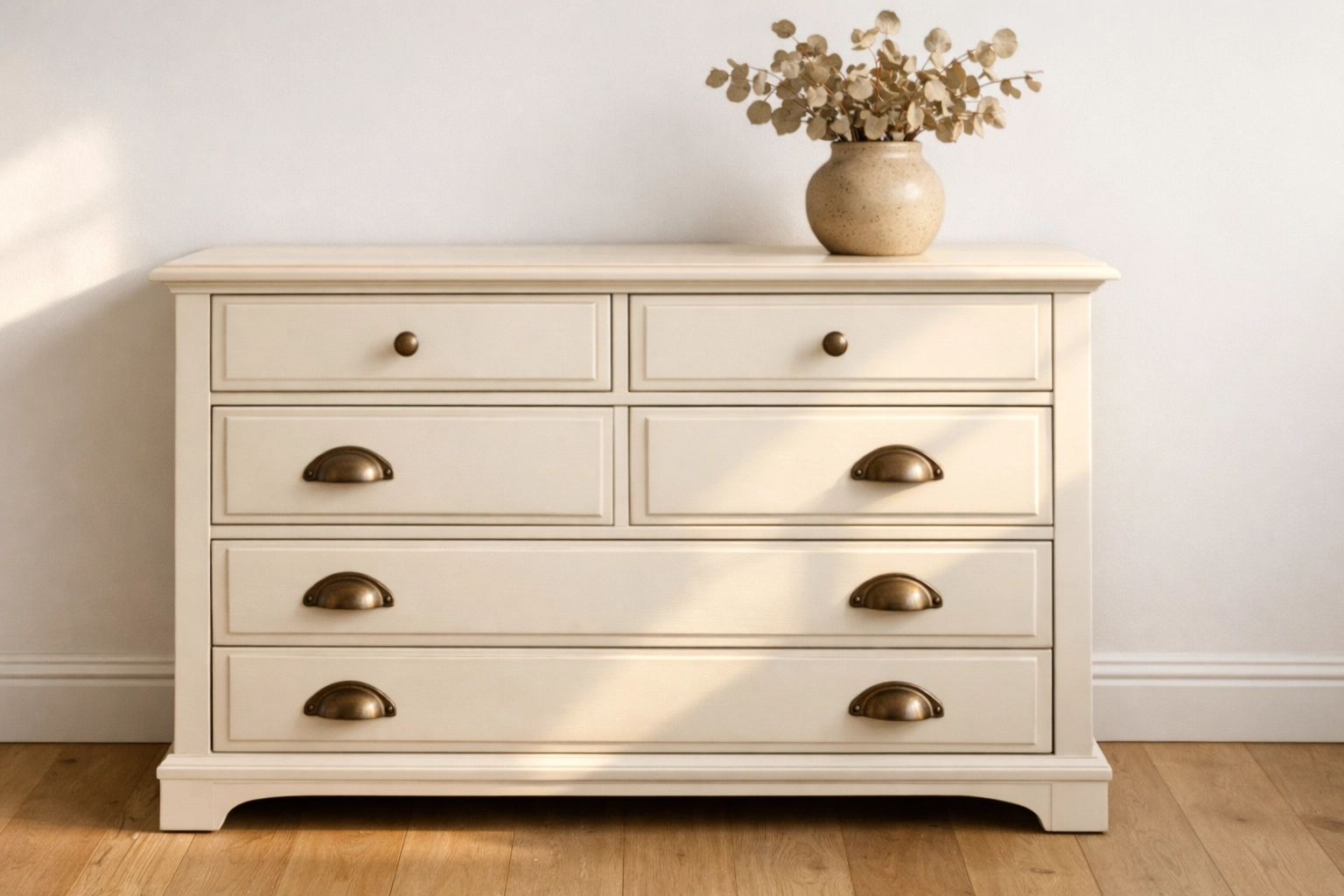
People are tired of the "Millennial Grey" and "Stark White" aesthetic. It feels cold. In 2026, the trend is all about "Comfort Core." We want our homes to feel like a hug. This means switching to:
- Buttery Off-Whites: These add an instant cozy factor to any piece of furniture.
- Deep Creams: Perfect for traditional silhouettes with lots of carving.
- Sun-Baked Neutrals: Think of whites that have a tiny drop of sand or clay mixed in.
When you use these warmer tones, you create a look that feels high-end and custom. If you're just starting out and need to know which tools to use for these more delicate finishes, check out our best tools for beginner furniture flippers.
The Return of Warm Wood and Natural Grain
The biggest "threat" to white paint isn't another color, it’s the wood itself. For a decade, we were taught to hide "dated" orange oak or dark mahogany under layers of primer and paint. Now, the market is screaming for those traditional silhouettes to be seen.
Today’s buyers are looking for the "Warm Wood" look. They want to see the history of the piece. This doesn't mean you just leave every piece raw, but it does mean being more strategic.
How to Mix Paint and Raw Wood
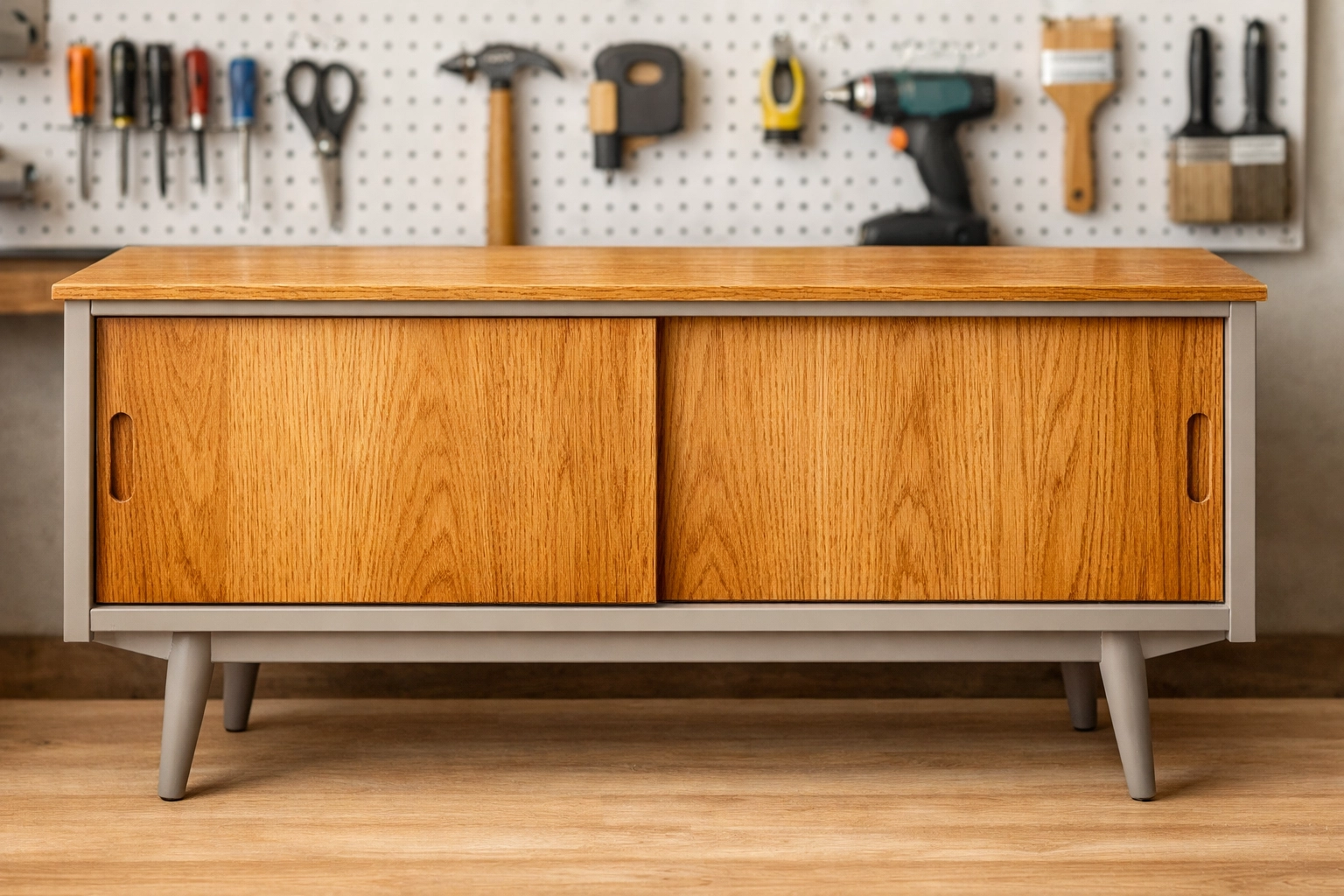
One of the most profitable styles in 2026 is the "Hybrid Flip." Instead of painting the whole piece, try this:
- Strip the Top: Use a high-quality stripper to take the top of a dresser down to the raw wood.
- Sand and Seal: Use a clear matte sealer to keep that light, natural wood tone.
- Paint the Body: Use one of those new, warm off-whites (like Cloud White or Oxford White) on the drawers or the frame.
This contrast creates a sophisticated, modern-traditional look that buyers are currently obsessed with. It feels grounded and authentic. Before you start stripping wood, make sure you have a solid plan in place by using our beginner furniture prep checklist.
Strategic White: Quality Over Quantity
If you are going to use white, you need to use it intentionally. We are moving toward a more "Minimalist-Traditional" approach. Instead of a flat, boring finish, we are looking for texture and depth.
Don't Assume White is Just White
As the pros say, "White is never just white." Every white paint has an undertone, pink, blue, yellow, or green.
- Cool Whites: Best for modern, industrial pieces with metal accents.
- Warm Whites: Best for vintage, farmhouse, or traditional pieces.
- Neutral Whites: The safest bet for general flips, but they can sometimes look "cheap" if not paired with the right hardware.
To make a white piece look "expensive" in 2026, you need to add texture. This could be through a subtle lime-wash effect, a heavy-distressed edge, or by pairing it with high-end hardware like aged brass or hand-forged iron.
If you want to see how we incorporate these colors into smaller décor items, take a look at our White Wooden Storage Box No. 66. Notice how the wood grain and the specific tone of white work together rather than fighting each other.
The 2026 Color Palette: Earthy and Grounded
While white is catching its breath, other colors are sprinting ahead. If you want your furniture flips to stand out on Facebook Marketplace, you need to start experimenting with the broader 2026 palette.
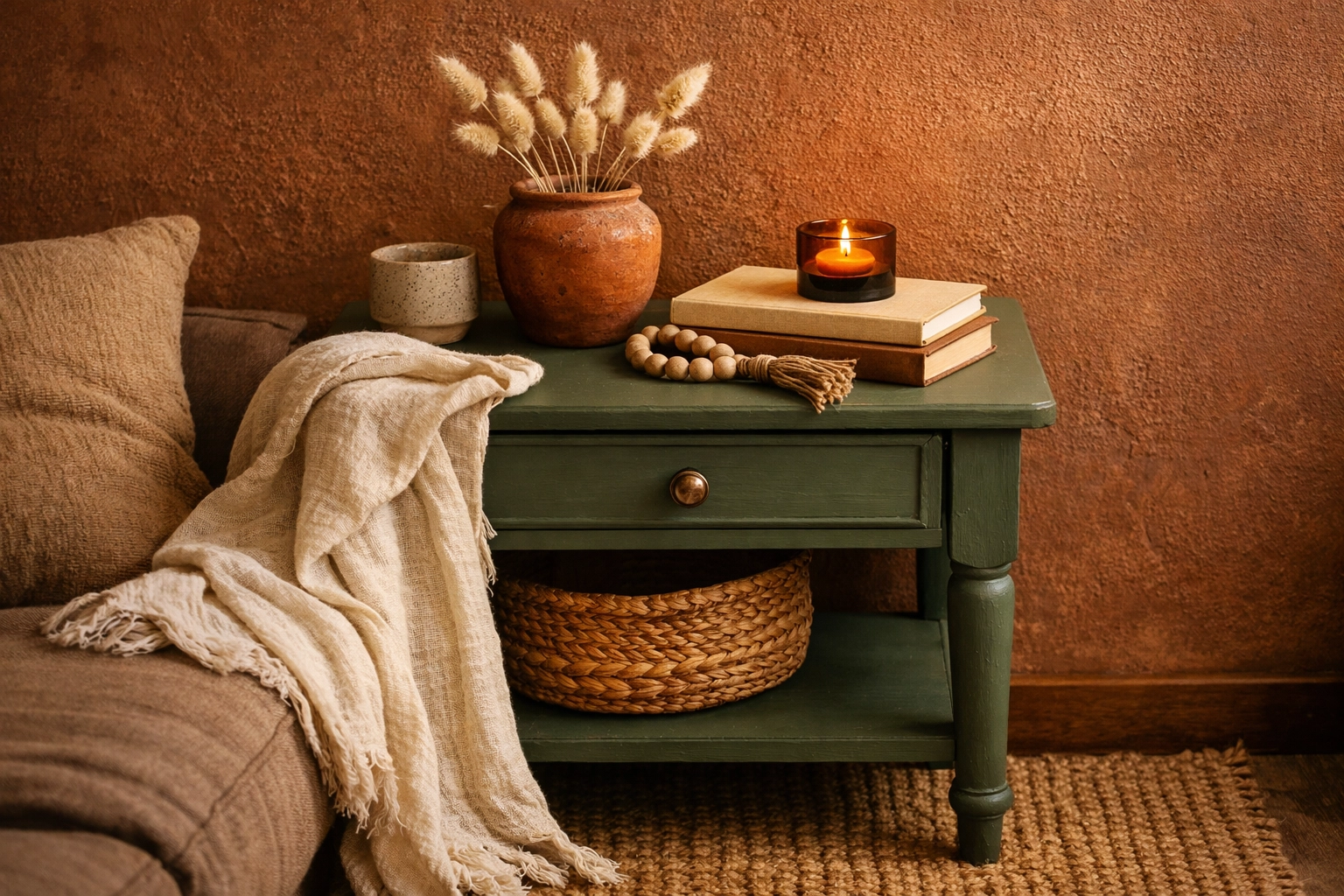
- Sage and Khaki Greens: Nature-inspired tones are massive. Our Olive Green End Table is a perfect example of how these colors feel fresh and modern.
- Sun-Baked Browns: Think terracotta, clay, and deep sienna.
- Wheat and Sand: These are the new "neutrals." They offer more personality than white but are still safe enough for most buyers.
Stop Wasting Time on "Perfect" Finishes
One of the biggest mistakes DIYers make is trying to get a factory-smooth, perfectly white finish. In 2026, the "perfect" look is actually out. People want character. They want to know a human hand worked on the piece.
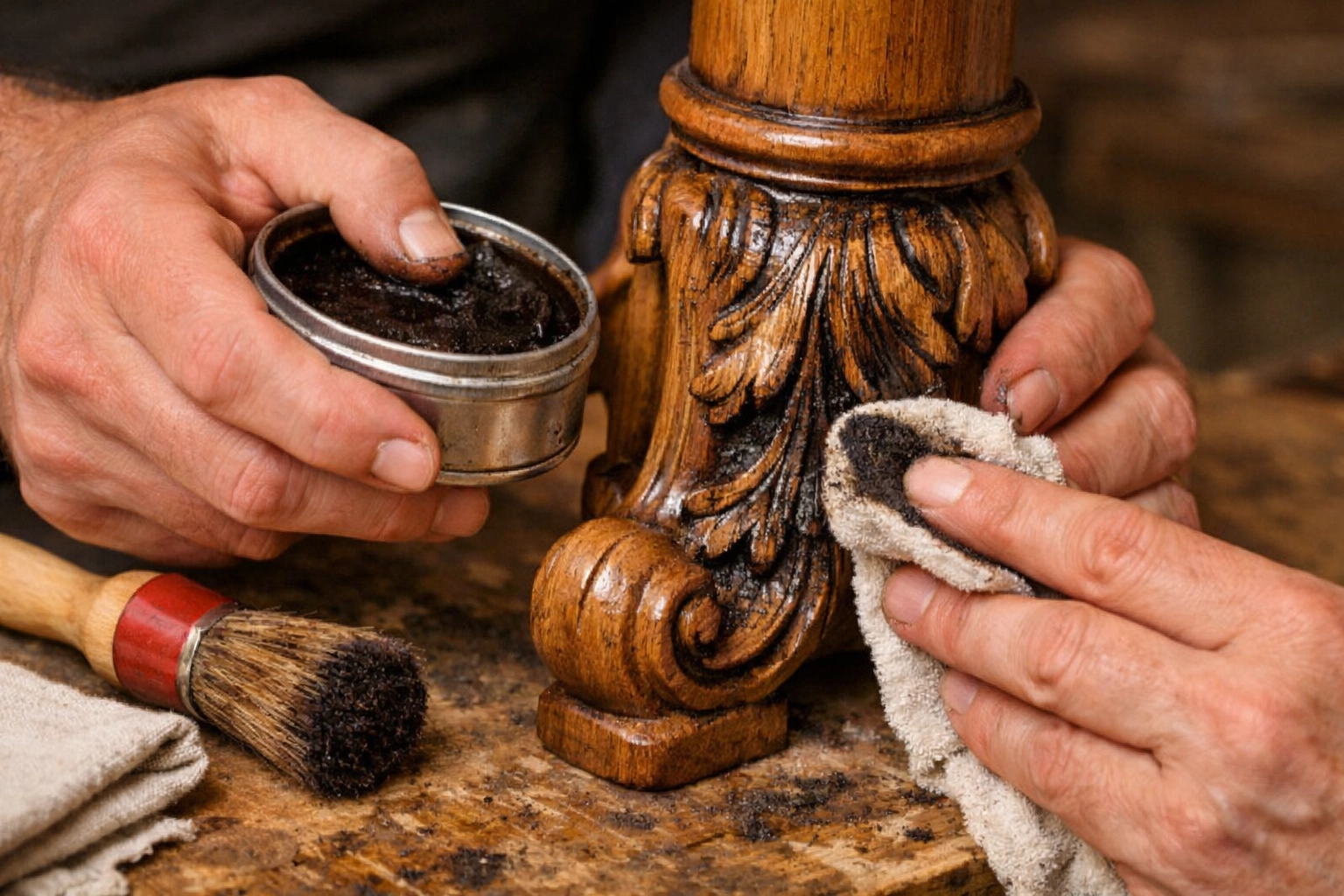
Start embracing the brushstroke (intentionally!). Use chalk paints or mineral paints that allow for a bit of movement. Learn to use waxes to highlight the "imperfections" in a piece’s carving. When you stop obsessing over a clinical finish, you actually save time and create a more desirable product.
If you’re looking to stock up on the right supplies to achieve these textured looks, you can find our favorites in the recommended tools section.
How to Transition Your Brand
If your entire brand has been built on "The White Furniture Queen," don't panic. You don't have to change your name, but you should change your portfolio.
Start by introducing one "warm" piece for every three white pieces you flip. Track the engagement. You’ll likely find that the pieces with wood accents or warmer tones get more "saves" and "shares." People are hungry for inspiration that feels different from the last ten years of home design.
Practical Action Steps for Your Next Project:
- Analyze the Silhouette: Does the piece have beautiful, traditional lines? If yes, consider keeping some wood raw.
- Check Your Lighting: Warm whites look yellow in bad lighting and beautiful in natural light. Always photograph your pieces near a window.
- Upgrade Your Hardware: Nothing kills a white paint job faster than cheap, dated hardware. Spend the extra $20 on something unique.
- Tell a Story: In your listing, don't just say "White Dresser." Say "Refurbished in Cloud Dancer white with hand-sanded oak accents."
Final Thoughts: The New Era of Upcycling
Is white paint dead? Absolutely not. It will always be a staple because it’s versatile and bright. However, the lazy use of white paint is definitely over.
In 2026, the "The Crafty Renewal" way is about being intentional. It’s about looking at a piece of furniture and asking, "What does this wood need?" rather than "How much white paint do I have left?"
Whether you’re working on a Small Cream Curio Shelf or a massive dining room hutch, remember that warmth, texture, and natural beauty are your new best friends.
Ready to start your next project? Head over to our shop for some inspiration, or read more about our process on the blog.
You’ve got the skills. Now, go grab a tin of "Cloud Dancer" and show the world that white can still be fabulous( if you do it right.)