
So, you’ve decided to dive into the world of the furniture flipping side hustle. You’ve watched the time-lapse videos, you’ve smelled the wood stain (strangely addicting, right?), and you’re ready to turn a crusty old dresser into a Pinterest-worthy masterpiece. There’s just one tiny problem: where on earth do you find the furniture without spending your entire life savings at a high-end antique mall?
The secret to a profitable flip isn’t just in the sanding or the perfect shade of sage green paint, it’s in the “buy.” If you pay too much for the “before,” your profit margin disappears faster than a snack at a toddler’s birthday party.
Furniture flipping for beginners starts with a scavenger hunt. To help you get your hands on some “good bones” without the “bad prices,” I’ve rounded up five unexpected (and some classic) places to source pieces that are either dirt cheap or, my favorite price, free.
1. Facebook Marketplace: The Wild West of Furniture
Let’s start with the big one. Facebook Marketplace is the ultimate hub for repurposed furniture ideas. It’s a 24/7 digital garage sale, but if you want the good stuff, you have to be fast
The trick here isn’t just scrolling; it’s about the “Saved Search.” Beginners often make the mistake of just browsing the “Suggested” feed. Instead, search for specific terms like “solid wood,” “dresser,” or “nightstands.”
Pro Tip: Look for the listings with terrible photos. I’m talking about the ones taken in a dark garage, covered in laundry, or blurry enough to be a Bigfoot sighting. These are your gold mines. Most buyers keep scrolling because they can’t see the potential. You, the savvy flipper, know that under that pile of gym clothes is a solid oak beauty waiting for a makeover.
2. Estate Sales: The “Sunday Scramble”
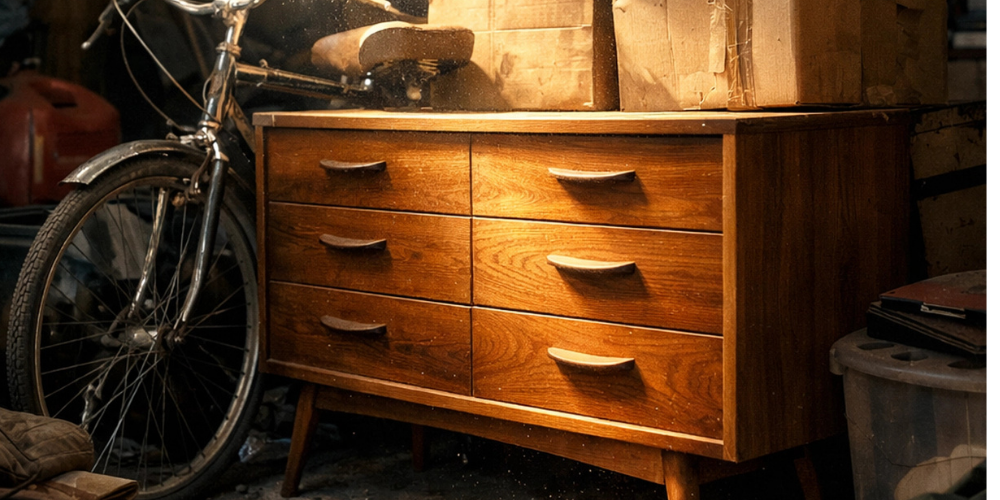
Estate sales can be intimidating. You walk in, and it feels like you’re invading someone’s home (because you are). But for anyone learning how to upcycle furniture, estate sales are a masterclass in quality. These homes often contain high-quality, vintage pieces made of real wood, not the particle board stuff you find at big-box stores today.
The strategy here is timing.
- Friday/Saturday: This is when the “collectors” go. Prices are firm, and the competition is fierce.
- Sunday: This is the magic day. Most estate sale companies want the house empty by Sunday afternoon. They often slash prices by 50% or even 75%.
Don’t be afraid to make a “pile.” If you see a few small tables and a chair, offer a bundle price. The worst they can say is no, but usually, they’re just happy to see the item walk out the door.
3. Curbside & Bulk Trash Day: The $0 Profit Margin
If you want to maximize your earnings, you can’t beat a $0 investment. Every city has a “Bulk Trash Day” or a “Heavy Item Pickup” schedule. Mark your calendar. This is the day when people realize their old coffee table won’t fit in the moving truck and they chuck it to the curb.
Check out local “Curb Alert” groups on Facebook or the NextDoor app. People will literally post a photo of a perfectly good chair on the sidewalk with the caption, “First come, first served.”
The Golden Rule of Curbside: Bring a friend and a truck, and always check for “hitchhikers.” Before you put a curbside find in your car, inspect it for bugs or extreme water damage. You want a project, not an infestation. For a deeper dive into what to avoid so you don’t waste your time on a “junk” piece, check out our guide on beginner furniture flipping mistakes.

4. Thrift Stores: The Color Tag Game
Thrift stores are a staple, but if you’re paying full sticker price at a boutique thrift shop, you’re doing it wrong. To make furniture flipping for beginners actually profitable, you need to learn the “Color Tag” system.
Most major thrift chains (like Goodwill or Salvation Army) have a rotating discount schedule. One week, all “Blue Tag” items are 50% off. The next week, it’s “Red Tags.”
Walk straight to the furniture section and look for the tags that match the weekly discount. A $60 vintage sideboard becomes a $30 steal instantly. Also, don’t overlook the “as-is” or “outlet” sections. These are the items that didn’t sell on the main floor and are often priced to move immediately.
5. Local “Buy Nothing” Groups & Freecycle
This is the hidden gem of the upcycling world. “Buy Nothing” groups are hyper-local communities (usually on Facebook) where neighbors give away items for free to build community and reduce waste.
Unlike Marketplace, where people are looking for a buck, Buy Nothing members want to give their items to someone who will use them. It is perfectly okay to say, “I’m a local furniture artist, and I’d love to give this dresser a second life!” Many people love the idea of their old furniture being “renewed” rather than ending up in a landfill.
Freecycle.org is another great resource that works on the same principle. It’s a bit old-school, but it’s a direct line to free inventory.
How to Choose the Right Piece (The “Beginner’s Filter”)
Once you find these sources, you might be tempted to grab everything with a flat surface. Slow down, tiger! Not every cheap piece is a good candidate for upcycling. To keep your sanity and your wallet intact, look for these three things:
- Solid Construction: Give it the “wobble test.” If it sways like a palm tree in a hurricane, you might have some structural repairs ahead of you.
- Good Lines: Ignore the “ugly” finish. Look at the legs, the trim, and the overall shape. Is it classic? Is it trendy?
- The Smell Test: Open the drawers. If it smells like a wet basement or a pack of cigarettes, you’re going to spend more on odor blockers than the piece is worth.

Making it Official: Track Your Finds
Finding the furniture is only half the battle. If you’re serious about turning this into a furniture flipping side hustle, you need to treat it like a business from day one. That means tracking what you spent, what supplies you used, and what your final profit was.
Don’t just wing it! We’ve created the Profit Planner specifically for flippers to keep their expenses in check. You can find it and other essential tools in The Crafty Renewal Shop. Having a system helps you see exactly which sourcing locations are giving you the best return on your time.
Ready to Start?
Sourcing is an art form. It takes a little bit of patience and a whole lot of “checking your phone at stoplights” (okay, maybe don’t do that: safety first!).
Start with one of these locations this weekend. Maybe hit a few thrift stores on their discount day or drive through a neighborhood on bulk trash morning. You’ll be surprised at the treasures people are willing to let go of once you start looking.
And remember, every pro flipper started with one “ugly” piece and a dream. If you’re worried about messing up your first find, take a breath and read through our list of beginner mistakes that ruin upcycled furniture. It’ll give you the confidence to pick up that orbital sander and get to work.
Happy hunting! I can’t wait to see what you find. If you snag something amazing, tag us or check out our before and after project gallery for some serious inspiration on what to do next.