Upcycling the right way.
Upcycling furniture can be incredibly rewarding—but it’s also easy to make mistakes that permanently damage a piece before you even realize what’s gone wrong. Many beginners assume that a fresh coat of paint can fix anything. Unfortunately, that’s not always true.
If you’ve ever dealt with peeling paint, sticky finishes, bleed-through stains, or furniture that just doesn’t “look right,” chances are one of these common mistakes is to blame.
Let’s walk through the biggest beginner mistakes that ruin upcycled furniture—and what to do instead so your projects actually last.
1. Skipping Proper Cleaning Before Painting
One of the most common mistakes beginners make is painting over furniture that looks clean but isn’t.
Old furniture often holds years of:
- Furniture polish
- Cooking grease
- Smoke residue
- Body oils and dust
Paint will not properly adhere to dirty surfaces, no matter how good the paint claims to be.
How to fix it:
Always clean furniture thoroughly before sanding or painting. Use a degreaser or a simple vinegar-and-water solution to remove residue. Let the piece dry completely before moving on.
2. Over-Sanding (or Sanding the Wrong Way)
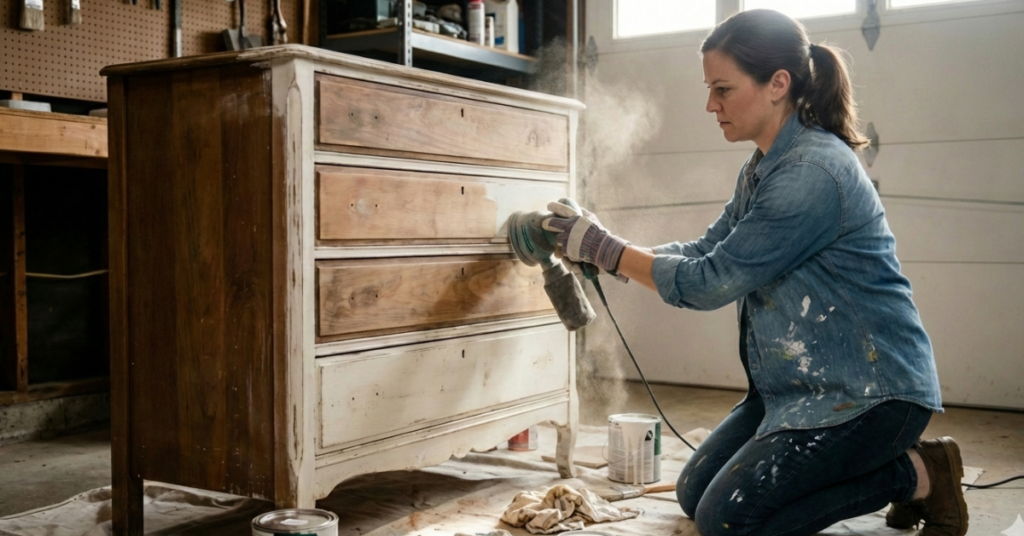
Many beginners believe sanding more is always better. In reality, over-sanding can ruin veneer, soften details, and weaken thin wood layers.
Sanding aggressively can:
- Expose particle board
- Damage decorative edges
- Create uneven surfaces
How to fix it:
Light sanding is often enough, especially for painted finishes. Use sanding to scuff the surface, not strip it bare. When working with veneer, sand gently and stop as soon as the surface feels smooth and dull.
3. Ignoring Structural Problems
Cosmetic fixes won’t save furniture with structural issues. Painting over loose joints, cracked frames, or wobbly legs leads to pieces that fail quickly even if they look good at first.
How to fix it:
Check furniture for stability before starting:
- Tighten loose joints
- Reglue separated seams
- Repair cracks and splits
If the piece isn’t sturdy before painting, it won’t be afterward.
4. Using the Wrong Paint for the Job
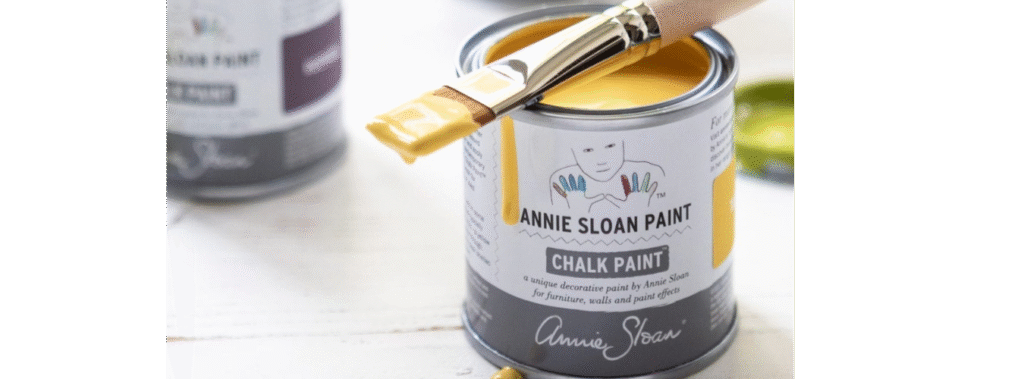
Not all paint works on furniture. Wall paint, craft paint, or leftover latex can lead to chipping, tackiness, and poor durability.
How to fix it:
Choose paint designed for furniture or cabinetry. These formulas cure harder and resist wear. Always match your paint choice to how the furniture will be used—high-touch areas need tougher finishes.
5. Skipping Primer When It’s Actually Needed
While some paints advertise “no primer needed,” that isn’t always true especially with older furniture.
Skipping primer can cause:
- Stains bleeding through
- Uneven color
- Adhesion problems
How to fix it:
Use primer when dealing with:
- Dark wood
- Water stains
- Knots
- Previously finished or glossy surfaces
Primer creates a clean, stable base and prevents long-term issues.
6. Rushing Dry Time Between Coats
Furniture paint needs time—not just to dry, but to cure. Rushing between coats traps moisture and weakens the finish.
How to fix it:
Allow each coat to dry fully according to the product instructions. If the surface feels cool or slightly tacky, it’s not ready for the next step. Patience here prevents peeling and scuffing later.
7. Choosing the Wrong Topcoat (or Skipping It Entirely)
A beautiful paint job can be ruined by the wrong finish or no finish at all. Some topcoats yellow over time, while others never fully harden.
How to fix it:
Match the topcoat to the project:
- Use durable finishes for tables and dressers
- Avoid heavy topcoats on chalk-style paints unless needed
- Test first to check for color change
Topcoats protect your work and extend the life of the piece.
8. Upcycling Furniture That Was Never Meant to Be Saved
Not every piece of furniture is worth upcycling. Some items are made with low-quality materials that won’t hold paint or repairs.
How to fix it:
Before starting, ask:
- Is it solid or mostly particle board?
- Are the joints sound?
- Will repairs cost more than the piece is worth?
Walking away from a bad piece is sometimes the smartest DIY decision.
Final Thoughts
Upcycling furniture isn’t just about creativity it’s about preparation, patience, and knowing what to avoid. Most ruined projects don’t fail because of lack of talent, but because of skipped steps and rushed decisions.
By avoiding these beginner mistakes, you’ll create furniture that not only looks beautiful but actually lasts.
Free Download: Grab the beginner furniture upcycling checklist to avoid costly DIY mistakes.