Furniture flipping is one of the most rewarding DIY projects you can try. Taking a worn-out piece of furniture and turning it into something beautiful again is incredibly satisfying.
But beginners often make a few common mistakes that can turn a fun project into a frustrating experience.
The good news is that most of these mistakes are easy to avoid once you know what to look for.
Before starting your first furniture flip, here are seven beginner mistakes you should avoid.
If you’re brand new to furniture flipping, you might find it helpful to start with a simple checklist before your first project. I created a Beginner’s Furniture Flip Starter Kit that walks through the basic steps beginners should know before picking up a paintbrush.
1. Choosing the Wrong Piece of Furniture
One of the biggest mistakes beginners make is selecting furniture that is too damaged or complicated to restore.
If a piece has deep structural damage, missing parts, or severe water damage, it may require more repair work than a beginner is ready for.
Instead, start with pieces that are:
• Structurally solid
• Made from real wood
• Free from major cracks or warping
• Simple in design
Great beginner pieces include nightstands, small dressers, and end tables.
Starting with the right piece will make your first project much easier.
2. Skipping the Cleaning Step
Many beginners want to jump straight into sanding or painting, but skipping a proper cleaning step can cause serious problems later.
Furniture often has years of dust, oils, and residue on the surface. Paint will not adhere properly if the surface is dirty.
Before doing anything else, always:
• Wipe down the entire piece
• Remove grease or grime
• Allow the surface to fully dry
This simple step helps ensure your paint adheres properly.
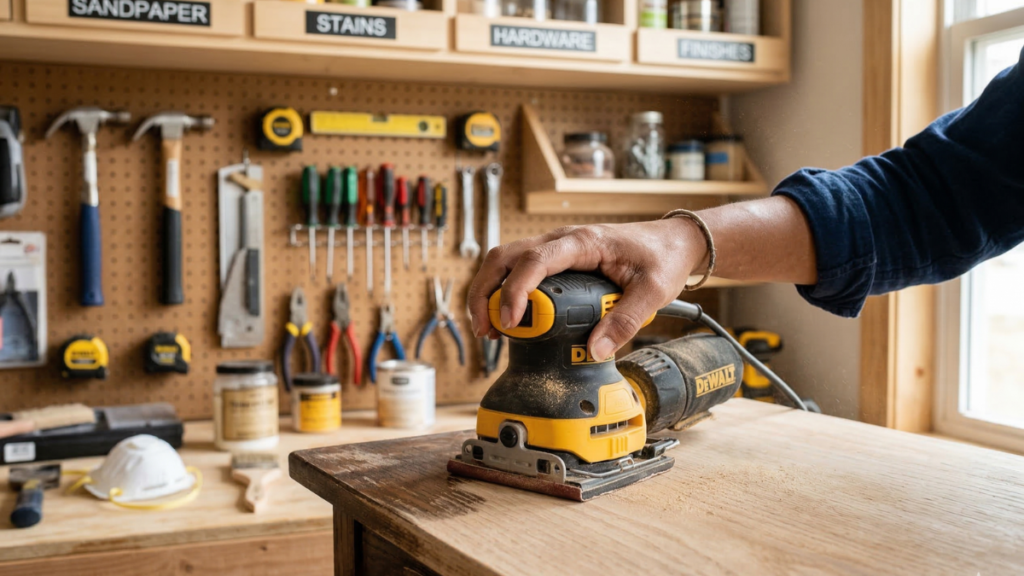
3. Not Sanding Properly
Sanding is one of the most important parts of furniture prep, but beginners often rush through it.
Poor sanding can lead to:
• Paint not sticking
• Uneven finishes
• Visible scratches
You don’t always need to sand down to bare wood, but lightly sanding the surface helps the paint grip the furniture.
Take your time during this step.
Good prep makes everything easier later.
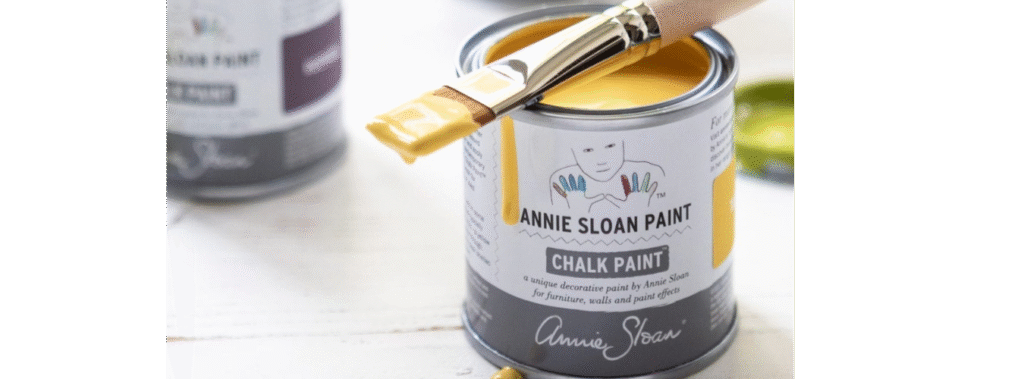
4. Choosing the Wrong Paint
Not all paint is designed for furniture.
Using the wrong type of paint can result in poor coverage, chipping, or a finish that doesn’t last.
When choosing furniture paint, look for paints specifically designed for furniture projects.
Many beginners prefer paints that:
• Have strong adhesion
• Require minimal priming
• Provide durable finishes Choosing the right paint makes a big difference in the final result
If you’re unsure which paints are beginner-friendly, I put together a Beginner’s Guide to Furniture Paint Brands that explains which paints work best for furniture projects and why
5. Applying Paint Too Thick
A common beginner mistake is applying paint in thick coats.
Thick paint layers can cause:
• Drips
• Brush marks
• Long drying times
Instead, apply several thin coats of paint.
Thin layers dry faster and create a much smoother finish.
Patience here leads to a professional-looking result.
Common Furniture Flipping Mistakes Beginners Make
6. Skipping the Protective Finish
After painting, beginners sometimes forget to seal the furniture with a protective finish.
A topcoat protects the paint from scratches, stains, and daily wear.
Depending on the project, you can use finishes such as:
• Polycrylic
• Wax
• Furniture sealer
Adding a protective finish helps your project last longer.
7. Guessing the Selling Price
Many beginners struggle with pricing their finished furniture.
Some price too low and lose money. Others price too high and struggle to sell.
A better approach is to calculate:
• Furniture cost
• Supplies used
• Time spent
• Desired profit
When you know your numbers, pricing becomes much easier and less stressful.
If pricing feels confusing when you’re starting out, using a simple planner can make things much easier. My Price It Right Profit Planner helps you track project costs, calculate profit, and set a fair selling price.
Final Thoughts
Furniture flipping is a skill that improves with each project.
The more pieces you flip, the more confident you will become in your process.
By avoiding these common beginner mistakes, you give yourself the best chance of creating beautiful furniture and enjoying the process along the way.
Start with a simple project, take your time with prep, and focus on learning with each piece you restore.
Before you know it, you’ll be creating furniture transformations you’re proud of.
If you want a step-by-step process that shows exactly how beginners should prep, paint, and finish furniture the right way, the Mistake Proof Furniture Flip Blueprint walks through the entire flipping process in detail.