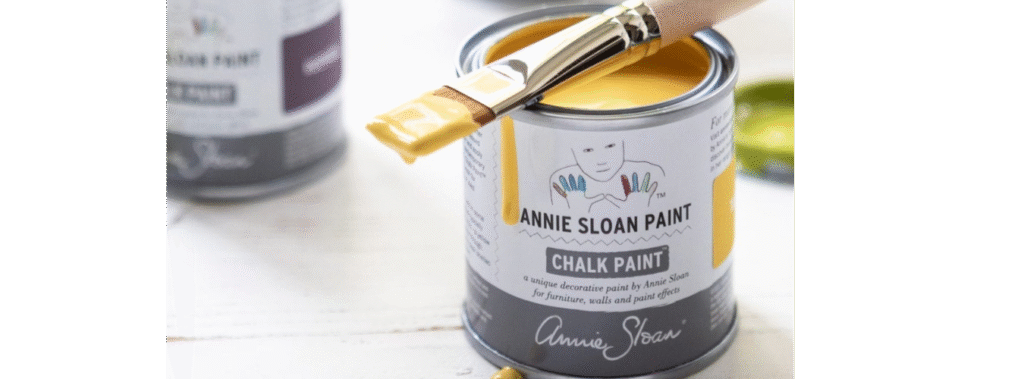

We’ve all been there. You finish painting a beautiful vintage dresser, step back to admire your handiwork, and suddenly: bam. A massive headache hits. You tell yourself it’s just the “smell of progress,” but your lungs might beg to differ.
At The Crafty Renewal, we believe your home should be your sanctuary, not a science experiment. If you’ve ever wondered why that fresh coat of paint makes your eyes water or your throat feel scratchy, it’s time to talk about what’s actually in those cans. The truth is that traditional paints often pack a punch of chemicals that linger long after the color dries.
Let’s dive into the world of eco-friendly finishes and why they are a total game-changer for your next DIY project.
The Invisible Problem: What Are VOCs?
Before we jump into the solutions, we have to identify the villain. Most traditional paints contain Volatile Organic Compounds, or VOCs. These are carbon-based chemicals that easily evaporate at room temperature.
When you open a can of oil-based paint, those VOCs rush out into the air. This process is called “off-gassing.” It doesn’t just happen while the paint is wet; some traditional paints can continue to release low levels of toxins for months or even years.
Short-Term Symptoms
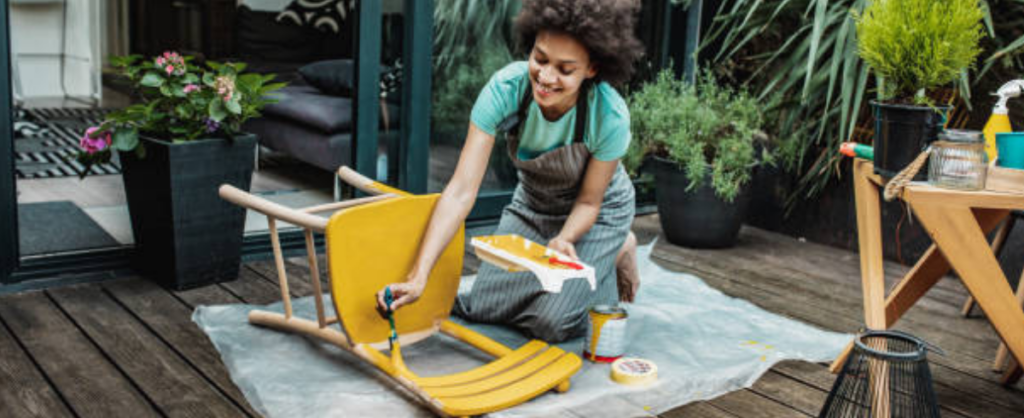
If you’ve ever felt “paint drunk” after a long DIY session, you’ve experienced the short-term effects of VOCs. Common symptoms include:
- Persistent headaches and dizziness.
- Irritated eyes, nose, and throat.
- Nausea or an upset stomach.
- Breathing difficulties, especially for those with existing respiratory issues.
Long-Term Risks
It’s not just about a temporary headache. Repeated exposure to high-VOC environments has been linked to more serious health concerns, including liver damage, kidney issues, and even nervous system complications. If you are working in tight quarters: like when you’re making the most of apartment living: ventilation is even harder to come by, making these fumes even more dangerous.
5 Reasons to Switch to Eco-Friendly Finishes
Now for the good news. You don’t have to choose between a beautiful home and your health. Eco-friendly, low-VOC, and zero-VOC paints are more accessible than ever. Here is why you should make the switch for your next upcycling adventure.
1. Breathe Easier (Literally)
The most immediate benefit of eco-friendly finishes is the air quality. When you use a zero-VOC paint, you aren’t pumping formaldehyde or benzene into your living room.
Imagine finishing a project and being able to sleep in that same room that night without a mask or a fan blasting in the window. Eco-friendly finishes allow you to enjoy your creative process without the physical toll. This is especially vital if you are living safely in your home as a senior or have respiratory sensitivities.
2. Fast-Track Your Timeline
Traditional oil-based paints take forever to dry and even longer to cure. During that entire curing process, they are off-gassing those nasty chemicals.
Eco-friendly water-based finishes, like my top go-to chalk paints, dry incredibly fast. Because they don’t rely on heavy solvents to stay liquid, the water evaporates quickly, leaving the pigment behind. This means you can often apply a second coat within an hour and have the piece back in use by the next day. No more waiting a week for the “smell to go away” before you can move a piece of furniture back into your bedroom.
3. Protect Your Most Vulnerable Housemates
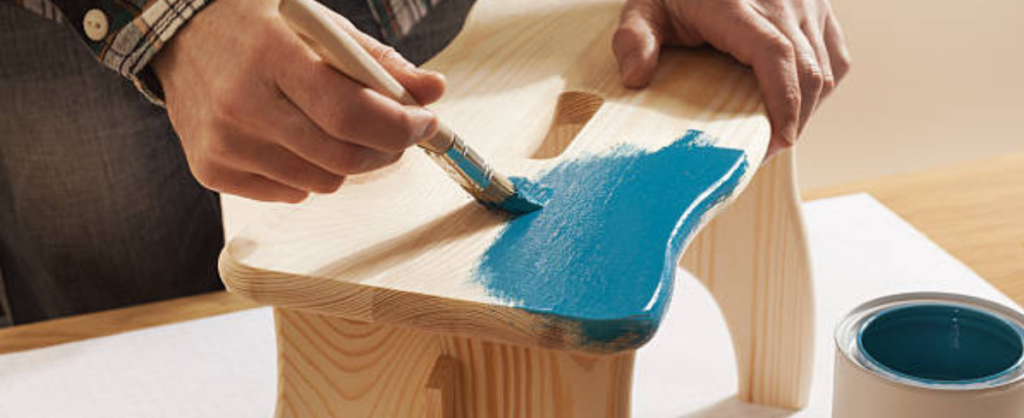
If you have kids, pets, or are expecting a new addition to the family, eco-friendly paint is a non-negotiable. Toddlers have a way of putting their mouths on everything: including the edges of that freshly painted crib or toy box.
Research shows that children are far more susceptible to the effects of VOCs. Exposure has been linked to increased asthma symptoms and allergies in youngsters. By choosing “Green Seal” or “Cradle to Cradle” certified finishes, you are ensuring that the surfaces your family touches every day are safe.
4. Professional-Grade Quality (Without the Stink)
There is a common myth that eco-friendly paint is “weak” or won’t hold up as well as the “real stuff.” That might have been true twenty years ago, but the technology has caught up.
Modern eco-friendly finishes offer:
- Excellent Coverage: You often need fewer coats to get a rich, opaque finish.
- Durability: High-quality low-VOC paints are scrubbable and resistant to fading.
- Ease of Use: They clean up with simple soap and water. No mineral spirits or harsh paint thinners required!
Whether you are working on kitchen projects or refinishing a storage cabinet, these finishes provide a professional look that lasts.

5. Better for the Planet
Every time you wash a brush covered in traditional oil-based paint, chemicals head down your drain and into the water system. Furthermore, the manufacturing process for high-VOC paints is much more carbon-intensive.
By choosing eco-friendly options, you are:
- Reducing your carbon footprint.
- Preventing hazardous waste from entering landfills.
- Supporting companies that prioritize sustainable harvesting and clean manufacturing.
Upcycling furniture is already an eco-friendly act because you’re keeping items out of the trash. Using green finishes is the perfect way to double down on that commitment to the earth.
How to Spot the Good Stuff
When you’re standing in the paint aisle, it can be overwhelming. Labels are full of marketing jargon. Here’s what to look for to ensure you’re actually getting a safer product:
- Zero-VOC: This means the paint contains fewer than 5 grams of VOCs per liter. This is the gold standard for indoor projects.
- Low-VOC: These usually contain fewer than 50 grams per liter for flat finishes. It’s better than traditional paint, but still has some off-gassing.
- Natural Paints: These are made from raw ingredients like milk protein (milk paint), citrus oil, or minerals. They are often the most eco-friendly choice available.
- Certification Seals: Look for the “Green Seal” or “GREENGUARD Gold” logos. These third-party certifications mean the product has been rigorously tested for chemical emissions.

Pro Tips for a Safe Painting Session
Even when using eco-friendly products, it’s good practice to keep your DIY environment safe and clean.
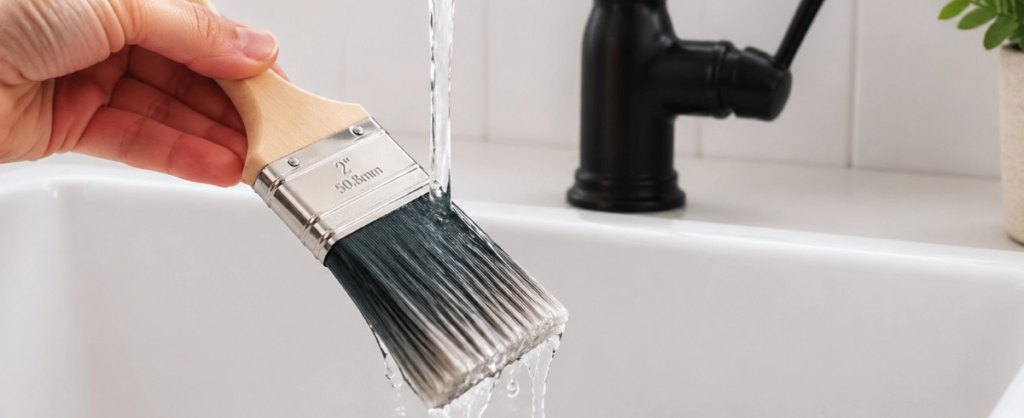
Clean Up Immediately: Don’t let paint dry on your brushes. Since most eco-friendly paints are water-based, a quick rinse with warm soapy water is all you need.
Check Your Tools: Use the right brushes for the job. Synthetic brushes are generally best for water-based, eco-friendly paints. Check out our guide on types of paint brushes to get the best finish.
Keep the Air Moving: Even zero-VOC paint can have a slight odor from the pigments. Crack a window to keep fresh air circulating.
Seal It Right: If you are using a topcoat or wax, make sure that is eco-friendly too! There’s no point in using green paint if you’re going to cover it in a high-VOC solvent-based sealer.
Start Your Safe Renewal Today
Upcycling is about more than just a “fabulous” result; it’s about the joy of the process. You shouldn’t have to suffer through fumes and headaches to get the home of your dreams. By switching to eco-friendly finishes, you’re making a choice that’s better for your health, your family, and your home.
If you’re ready to ditch the fumes but aren’t sure where to start, take a look at our furniture category for inspiration on pieces that are perfect for a green makeover. Or, if you’re feeling overwhelmed by a big project, we offer custom orders where we use the safest, highest-quality materials to bring your vision to life.
Stop holding your breath and start painting! Your lungs (and your furniture) will thank you.