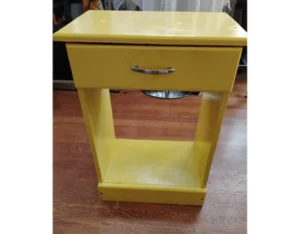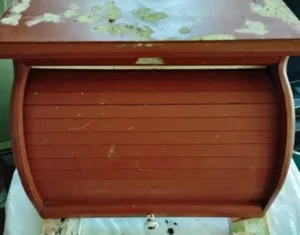
You’ve spent your weekend sanding, painting, and polishing.
You finally sell that mid-century modern dresser, but after you subtract what you spent on the piece and the supplies, you realize you made about $2 an hour. Ouch.
If you’re nodding your head, don’t hang up your paintbrush just yet. Starting a furniture flipping side hustle is one of the most rewarding ways to flex your creative muscles, but there is a steep learning curve when it comes to the "business" side of things. Most furniture flipping for beginners journeys start with a lot of passion and very little math.
The good news? Your lack of profit usually boils down to a few common, fixable mistakes. Let’s break down the 10 reasons your bank account isn’t seeing that furniture flipping profit and how you can turn things around today.
1. You’re Overpaying for Your "Before" Pieces
Profit is made the moment you buy the piece, not just when you sell it. If you’re buying a dresser for $100 that only has a resale value of $250, your margins are already razor-thin before you’ve even bought a drop of paint. For a healthy profit, you need to find high-quality wood pieces at rock-bottom prices.
The Fix: Stick to a strict sourcing budget. Look for "diamonds in the rough" at thrift stores, estate sales, or even the curb. If you’re struggling to find the good stuff, check out our Find It Guide: 5 Unexpected Places to Source Cheap or Free Furniture.
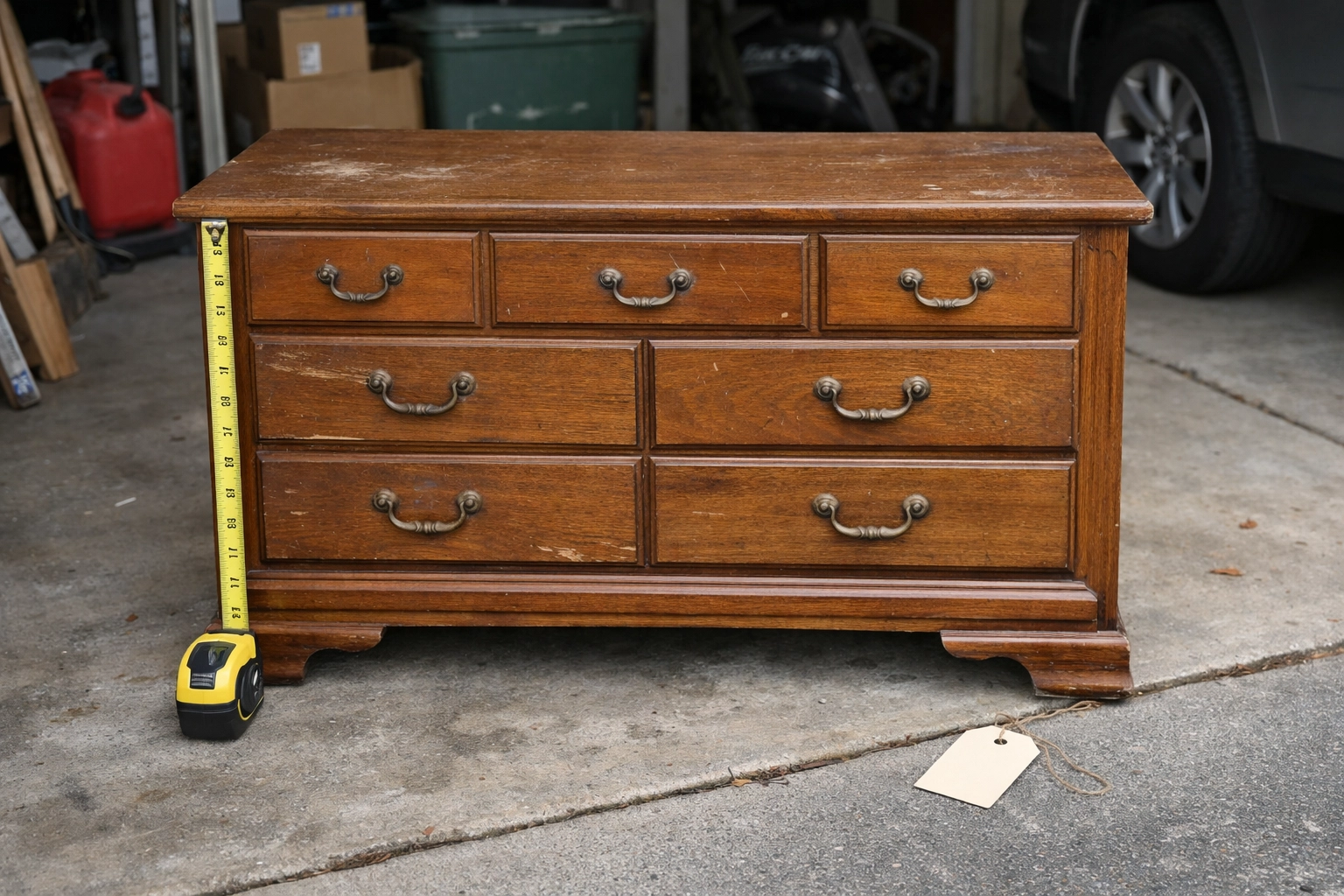
2. You’re Buying "Money Pits" (Hidden Repair Costs)
We’ve all been there: you see a gorgeous silhouette, but once you get it home, you realize the drawers are swollen, the veneer is bubbling, and it smells like a pack of cigarettes. These repairs take time and specialty materials that eat your profit alive.
The Fix: Inspect every piece before money changes hands. Check the "bones." Is it solid wood? Do the drawers slide? Does it have structural damage? To avoid the most common pitfalls, read up on beginner mistakes that ruin upcycled furniture before your next haul.
3. You Aren’t Tracking Your "Small" Expenses
It’s easy to remember the $40 you spent on a gallon of paint, but what about the sandpaper? The tack cloths? The wood filler? The gas you used to drive across town to pick up the piece? When you don't track the small stuff, your furniture flipping profit disappears into a "death by a thousand cuts" scenario.
The Fix: Start a "Project Spend" log for every single piece. If you use half a container of wax, charge half the cost to that project. If you want to make this effortless, our Price It Right Profit Planner (available in our shop) does the heavy lifting for you, ensuring every cent is accounted for.
4. You’re Valuing Your Labor at $0
This is the biggest mistake beginners make. You tell yourself, "It’s just a hobby," so you don't track your hours. But if a flip takes you 20 hours and you only profit $100, you’re making less than minimum wage. That isn't a side hustle; it’s an expensive hobby.
The Fix: Set a target hourly rate. Even if you don't "pay" yourself yet, knowing how long a project takes helps you decide if a piece is worth flipping. If a technique (like intricate hand-carved detailing) takes too long for the payout, skip it.

5. Your Staging and Photos Aren't "Premium"
You can do the best paint job in the world, but if your listing photo shows the dresser in a dark garage with a pile of laundry in the background, you won't get top dollar. Buyers on Facebook Marketplace or Etsy are buying a vibe, not just a piece of wood.
The Fix: Create a dedicated staging corner with good natural light. Add a few simple accessories: maybe a small collection storage box or a butterfly picture: to help the buyer visualize the piece in their home. High-quality photos allow you to list at a "boutique" price rather than a "yard sale" price.
6. You’re Using the Wrong Products for the Job
While we love a good deal, using low-quality house paint on furniture is a recipe for disaster. It chips, it peels, and it leaves brush marks. If a buyer has to return a piece because the finish failed, your profit for that month is gone.
The Fix: Invest in professional-grade furniture paints and topcoats. They level better, last longer, and require less "fiddling." This saves you time (which is money!) and builds your reputation for quality.
7. You’re Pricing Based on Emotion, Not Data
"But I worked so hard on this!" or "I really love how this turned out!" shouldn't dictate your price. Neither should "I just want it out of my garage." If you price too high, the piece sits for months. If you price too low, you’re leaving money on the table.
The Fix: Research "Comps" (comparable sales) in your local area. What are similar dressers selling for on Marketplace? Use a systematic approach to pricing. Our Price It Right Profit Planner helps you calculate your overhead, labor, and desired profit margin so you can hit that "sweet spot" every time.

8. You Lack a Consistent Brand or Niche
If you flip a farmhouse table one week, a mid-century nightstand the next, and a neon-pink boho chair the week after, you aren't building a following. You’re starting from scratch with every listing.
The Fix: Find a style that resonates with your local market and stick to it. Whether it's "Nautical Farmhouse" using items like a blue and white striped storage box as an accent or "Industrial Chic," consistency helps you build a brand that people seek out.
9. Your Listing Descriptions Are Too Short
"Dresser for sale. Painted white. $200. Pick up only."
That description tells the buyer nothing about the quality of your work. It doesn't build trust, and it doesn't justify a premium price.
The Fix: Write descriptions that sell the benefits. Mention the brand of paint used, the fact that the drawers were lined, and the specific dimensions. Use keywords like "hand-painted," "solid wood," and "durable topcoat" to attract people looking for quality furniture flipping for beginners who have graduated to pro status.
10. You Don’t Have a System for Growth
Many flippers treat every piece like a brand-new experiment. They buy random tools, try random techniques, and use random pricing. Without a system, you’ll keep making the same expensive mistakes over and over.
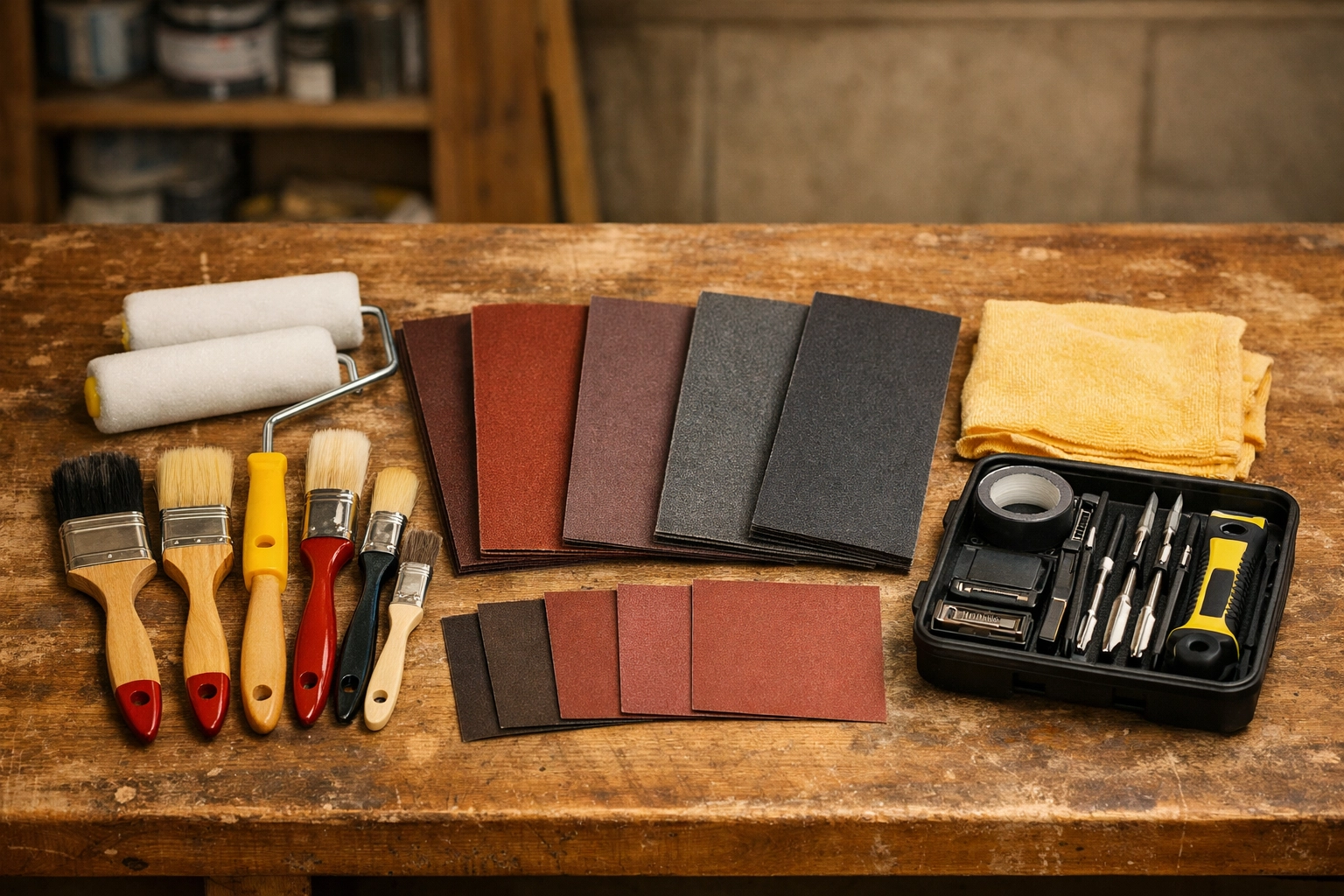
The Fix: You need a toolkit: both physical and educational. You need to know exactly which grits of sandpaper to use, which primers work on oily woods, and how to track your wins. To help you get organized, we created the Beginner Furniture Flip Toolkit Bundle. It’s the ultimate "business in a box" for anyone serious about making a real furniture flipping side hustle income.
Stop Flipping for Pennies and Start Flipping for Profit
Furniture flipping is an art, but making it a successful side hustle is a science. By tightening up your sourcing, tracking every penny, and presenting your work like a pro, you can easily double your furniture flipping profit this year.
Remember, every "failed" flip is just a lesson in what not to do next time. If you’re ready to stop guessing and start growing, grab our Price It Right Profit Planner or the full Beginner Furniture Flip Toolkit Bundle in our shop. Let’s turn that "hobby" into the powerhouse side hustle it’s meant to be!
Happy flipping!