Polyurethane is one of the most common finishes used on wood furniture, floors, and cabinets because it gives a hard, protective layer that resists scratches, moisture, and everyday wear. But if you want to change the look of that piece with a fresh coat of paint, the big question is:
Can you paint over polyurethane?
Yes absolutely but only if you prepare the surface properly. In this guide, I’m going to walk you through why polyurethane makes painting tricky and exactly how to get a lasting, smooth finish without sanding the finish all the way off.
Why Polyurethane Makes Painting Tricky
Polyurethane dries into a smooth, glossy film that’s designed to protect wood, but that same smooth toughness also makes it hard for paint to stick. Without the right prep, your paint may end up peeling or chipping soon after. So, the secret isn’t to avoid polyurethane, it’s creating a surface paint can bond to.
Step 1: Check the Surface and Clean It
Before anything else, make sure the polyurethane is fully cured. Fresh finishes can take weeks to completely harden, so painting too soon increases the chance of failed adhesion.
Cleaning the Surface
This step is critical:
- Wipe down the piece with a mild degreaser or detergent + water.
- Remove oils, fingerprints, dust, and wax from years of use.
- Let everything dry completely before moving on.
A greasy or dusty surface is the #1 reason paint won’t stick properly
Step 2: Create “Tooth” with Sanding (Or a Deglosser)
Because polyurethane is slick, you need to rough up the finish, so a primer and paint have something to grip.
Here’s how:
Light Sanding
Use a fine-grit sandpaper (around 220 grit) and gently scuff the surface. You’re not trying to remove the finish just dull the glossy top layer.
Don’t press hard, sanding too aggressively can damage the wood underneath.
Or Try a Liquid Deglosser
If sanding feels like too much dust and work, a liquid deglosser (“liquid sandpaper”) chemically dulls the surface so paint can stick. Follow the product directions carefully.
Either way always wipe away dust after sanding.
Step 3: Prime Before You Paint
You can’t skip primer when painting over polyurethane. Even scuffed polyurethane still repels paint unless it’s primed first.
Best Primers for Polyurethane
- Oil-based primer usually the most reliable for glossy surfaces
- Shellac-based primer great for blocking stains and ensuring long-lasting adhesion
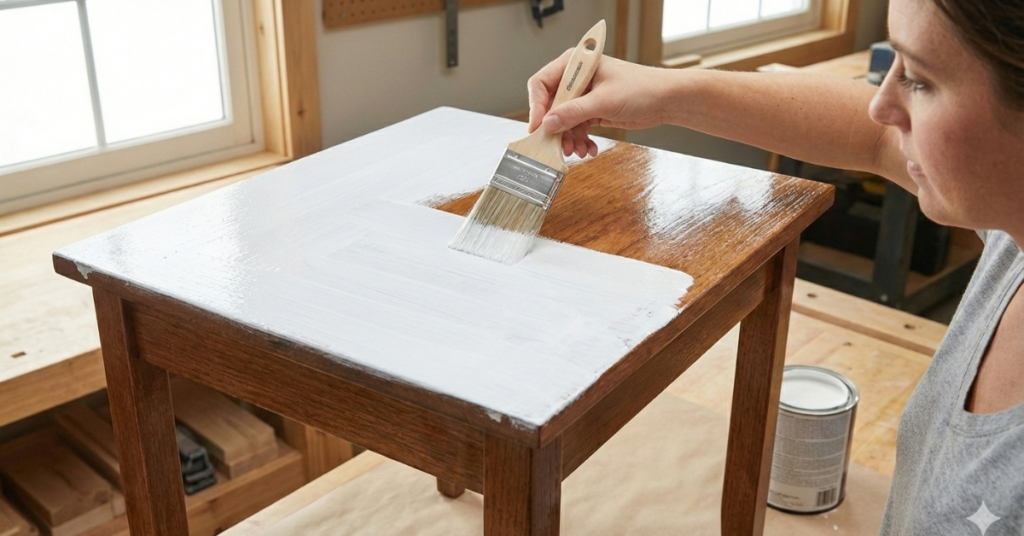
Apply a thin, even coat and let it dry fully before adding paint.
Step 4: Choose the Right Paint
Once your primer is dry, it’s time to paint.
Here are good paint options:
✔ Oil-based paints super durable and great for high-use areas
✔ Acrylic latex paints easier to work with and quick to dry
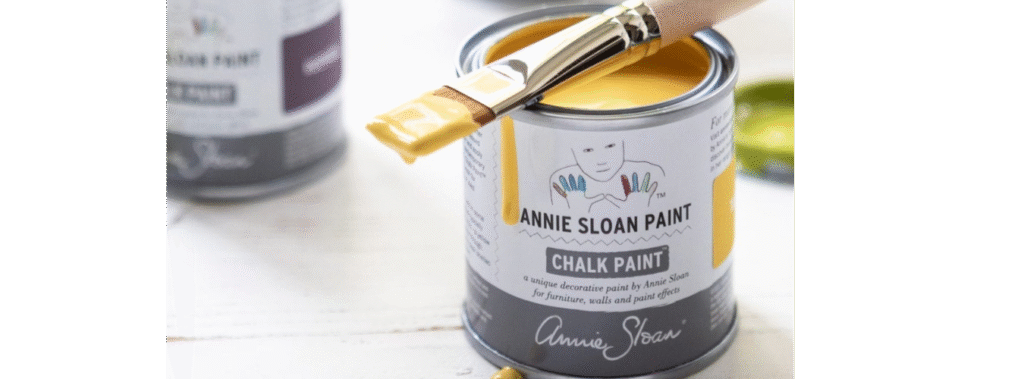
✔ Chalk paint can work over polyurethane if the surface is properly prepped and sealed afterward
Avoid unmodified regular latex paint it won’t stick well without top-level surface prep.
Application Tips
Use thin, even coats
Don’t rush let each layer dry before recoating
A smooth foam roller or quality brush helps reduce streaks
Do I Need a Protective Topcoat?
If the piece will see heavy use (like a table or cabinet), sealing the painted surface with a clear top coat adds durability and longevity. A water-based polyurethane or polycrylic top coat usually works well without yellowing over time.
A Quick Note About Chalk Paint
Some painters love chalk paint because it’s often marketed as “no sanding, no primer.” While chalk paint can stick to many surfaces, polyurethane is slippery enough that light sanding or priming is still strongly recommended for a durable finish.
Common FAQs
Can I paint over polyurethane without sanding?
You might use a liquid deglosser or special no sand bonding primer, but light sanding gives the most reliable results.
What primer should I use?
Oil-based or shellac-based primers are best for glossy polyurethane.
How long should I let my paint cure?
Let paint dry between coats (usually for a few hours), and avoid heavy use for several days so the finish hardens fully
Final Thoughts
Yes, you can paint over polyurethane but the success of your project depends on preparation and product choice.
Here’s your quick roadmap:
Clean the surface thoroughly
Sand or degloss to dull the sheen
Prime with a bonding primer
Paint with quality paint in thin coats
Seal (if needed) for extra durability
Follow these steps, and you’ll transform that polyurethane-finished piece into something fresh, bright, and beautiful!