If you’re new to furniture flipping, the biggest mistake usually isn’t the paint color.
It’s choosing the wrong piece to begin with.
Before you sand, prime, or buy supplies, you need to make sure the furniture is worth your time and effort. This beginner guide will walk you through exactly what to look for when choosing a piece to flip — and what to avoid.
If you’d like a simple printable checklist to take with you while shopping, you can grab my free Beginner Furniture Flip Checklist here:
https://thecraftyrenewal.com
1. Look for Solid Structure First
Cosmetic issues are fixable.
Structural issues are expensive.
When choosing a piece, check:
• Does it wobble?
• Are the legs secure?
• Are there major cracks in the frame?
• Do drawers open and close smoothly?
Loose hardware is easy to fix. A broken frame is not.
If the foundation isn’t solid, skip it.
2. Check for Solid Wood (When Possible)
Solid wood pieces are ideal for beginner furniture flippers.
They:
• Sand better
• Paint better
• Hold up longer
• Look more professional when finished
Tap on the surface. Real wood feels heavy and dense. Veneer can work, but beginners should avoid pieces that are peeling or severely damaged.
3. Inspect for Smoke or Water Damage
This is one many beginners overlook.
Open drawers and smell inside.
If you notice strong smoke odor, deep mildew smell, or severe water staining, think carefully before buying.
Light stains can be sealed with primer. Heavy odor and swelling from water damage can be very difficult to correct.
4. Look at the Shape, Not the Color
Don’t judge a piece by its finish.
Outdated stain and old hardware are easy to change.
Instead, ask:
• Is the shape classic?
• Are the lines clean?
• Does it have good proportions?
If the structure and shape are solid, the finish can always be updated.
5. Check the Price Against Your Effort
As a beginner, avoid overpaying.
If a piece costs too much upfront, you’ll feel pressure to make it perfect.
Start with affordable pieces while you’re learning. That gives you room for mistakes and growth.
If you’re unsure what tools you’ll need once you bring a piece home, I’ve listed the basic tools I personally use here:
https://thecraftyrenewal.com/recommended-tools
6. Start Simple
Your first flip should not be:
• An antique heirloom
• A highly carved ornate dresser
• A heavily damaged restoration
Start with something simple like:
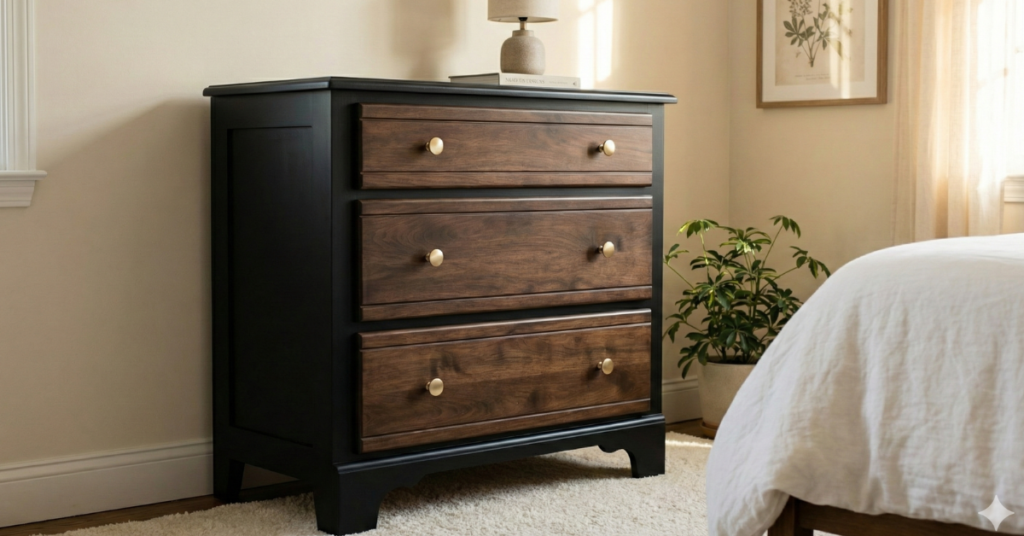
• A nightstand
• A small dresser
• A side table
Confidence builds momentum.
Final Thoughts
Choosing the right furniture piece sets the tone for your entire project.
When the structure is solid and the shape is good, everything else becomes manageable.
If you’re ready to flip your first piece, download the free Beginner Furniture Flip Checklist to guide you step-by-step through prep and planning:
And remember — slow prep at the beginning saves frustration at the end.
– Tracy
The Crafty Renewal